BMI Calculator
BMI = 20.1 kg/m²
What is BMI?
Body Mass Index (BMI) is a widely recognized physiological heuristic used to categorize an individual's body weight relative to their height. In the modern health and fitness landscape, BMI serves as a primary screening tool for healthcare professionals to identify whether a person is underweight, at a healthy weight, overweight, or obese.
The concept was originally developed in the 19th century by the Belgian polymath Adolphe Quetelet. Known then as "Quetelet Index," it was designed as a simple way to estimate the degree of obesity in a population. While it does not measure body fat directly, research has shown that BMI correlates moderately with more direct measures of body fat, such as dual-energy X-ray absorptiometry (DXA) and skinfold thickness measurements.
Today, the World Health Organization (WHO) and the Centers for Disease Control and Prevention (CDC) utilize BMI as an accessible, non-invasive, and cost-effective method to track weight-related health trends globally. By understanding your BMI, you gain a baseline perspective on your physical health status, which serves as a starting point for deeper conversations with medical professionals regarding nutrition, lifestyle, and disease prevention.
BMI Calculation Principles: The Science Behind the Formulas
To understand how our BMI calculator works, it is essential to look at the mathematical relationship between mass and height. The calculation is based on the premise that as height increases, body weight naturally increases in proportion to the square of the height.
Depending on your region and preference, there are two primary formulas used to calculate BMI: the Metric System and the Imperial System.
1. The Metric System (Standard)
The metric system is the international standard used by the scientific community. It measures weight in kilograms and height in meters.
The formula is as follows:
BMI = kg / m2
(Where kg is weight in kilograms and m2 is height in meters squared)
Metric Example:
If an individual weighs 70 kg and stands 1.75 meters tall:
- Square the height: 1.75 × 1.75 = 3.0625
- Divide weight by the result: 70 / 3.0625 = 22.86
- The resulting BMI is 22.86.
2. The Imperial System (US Customary)
In the United States, the imperial system is more common. Because the units (pounds and inches) do not align naturally with the metric ratio, a conversion factor of 703 is applied.
The formula is as follows:
BMI = (lbs × 703) / in2
(Where lbs is weight in pounds and in2 is height in inches squared)
Imperial Example:
If an individual weighs 160 lbs and is 5'10" (70 inches) tall:
- Square the height: 70 × 70 = 4,900
- Divide weight by the result: 160 / 4,900 = 0.032653
- Multiply by the conversion factor: 0.032653 × 703 = 22.95
- The resulting BMI is 22.95.
BMI Classification Standards: Where Do You Stand?
Once the calculation is complete, the resulting number is placed into a category defined by the World Health Organization (WHO). These categories help individuals understand if their weight poses a potential risk to their long-term health.
Standard BMI Categories for Adults
| Category | BMI Range () |
|---|---|
| Underweight | < 18.5 |
| Normal Weight (Healthy) | 18.5 – 24.9 |
| Overweight | 25.0 – 29.9 |
| Obesity Class I (Moderate) | 30.0 – 34.9 |
| Obesity Class II (Severe) | 35.0 – 39.9 |
| Obesity Class III (Morbid) | ≥ 40.0 |
Understanding the Nuances
While these categories are standard, it is important to note that "Normal Weight" is not a one-size-fits-all metric.
- Regional Variations: Many health organizations in Asia use slightly lower thresholds. For example, some experts suggest that for Asian populations, a BMI of 23.0 or higher is considered overweight, as health risks like Type 2 diabetes often manifest at lower BMI levels in these demographics.
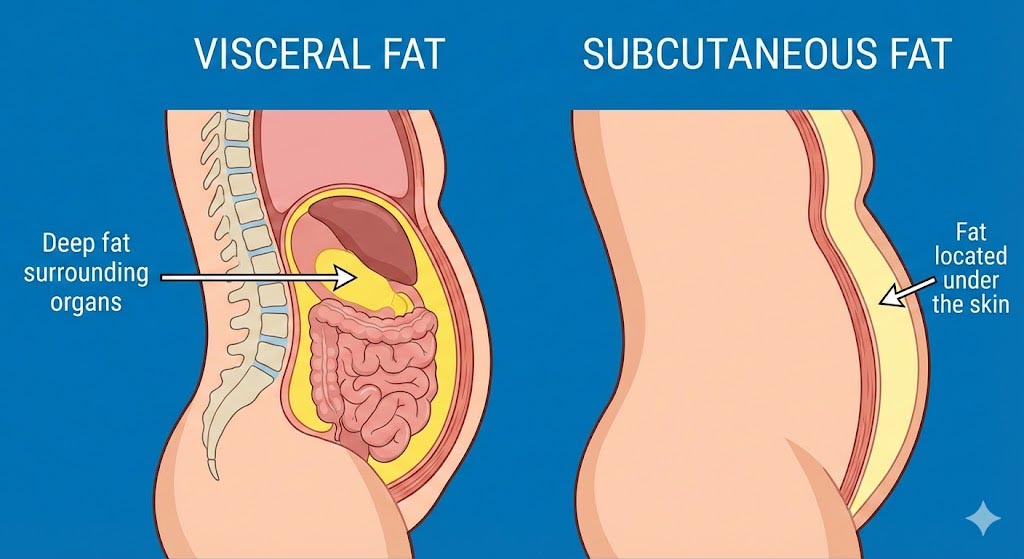
- The "Skinny Fat" Phenomenon: Some individuals may fall into the "Normal Weight" category but have a high percentage of visceral fat (fat around the organs), which still carries health risks.
- The Overweight "Buffer": Being slightly in the overweight category (25.0-27.0) for older adults (65+) may sometimes provide a nutritional reserve that helps during recovery from serious illness.
Health Implications: Why Your BMI Matters
While BMI is a simple mathematical ratio, its correlation with long-term health outcomes is significant. Epidemiological studies have consistently shown that as BMI moves outside the "Normal" range, the risk for various chronic conditions increases.
Risks Associated with a High BMI
Carrying excess body fat, particularly in the overweight and obese categories, puts a multifaceted strain on the body’s systems:
- Cardiovascular Health: A high BMI is often associated with increased levels of LDL cholesterol (the "bad" cholesterol) and hypertension. This combination strains the heart muscle and increases the risk of coronary heart disease and stroke.
- Type 2 Diabetes: Obesity is a leading risk factor for insulin resistance. Excess fat cells can trigger inflammation and interfere with the body's ability to regulate blood sugar, leading to chronic metabolic issues.
- Joint and Mobility Issues: Every extra pound of body weight puts approximately four pounds of extra pressure on the knee joints. Over time, this accelerates the wear and tear on cartilage, leading to osteoarthritis.
- Sleep Apnea: Increased fat deposits around the neck can obstruct airways during sleep, leading to poor sleep quality and decreased blood oxygen levels.
Risks Associated with a Low BMI
Being underweight is equally concerning and often overlooked in public health discussions:
- Nutritional Deficiencies: A low BMI may indicate that the body is not receiving enough micronutrients, leading to anemia or vitamin deficiencies.
- Weakened Immune System: Without adequate energy reserves, the body struggles to fight off infections, leading to longer recovery times from illness.
- Osteoporosis: Lower body mass is frequently linked to lower bone mineral density, significantly increasing the risk of fractures as one ages.
The Limitations of BMI: Why It Isn't a Diagnostic Tool
Despite its popularity, BMI has significant scientific limitations. It is a proxy for body fatness, not a direct measurement. Understanding these nuances is vital for anyone who finds their results confusing or discouraging.
1. The "Muscle vs. Fat" Dilemma
The most common criticism of BMI is that it cannot distinguish between lean muscle mass and body fat. Muscle is approximately 18% denser than fat. Consequently, professional athletes, bodybuilders, or high-level fitness enthusiasts may have a BMI over 30 (classifying them as "obese") while maintaining a very low body fat percentage and excellent cardiovascular health.
2. Fat Distribution (The "Apple" vs. "Pear" Shape)
BMI does not account for where fat is stored. Research indicates that visceral fat (fat stored around the abdominal organs) is much more dangerous than subcutaneous fat (fat stored under the skin, such as on the hips or thighs). Two people could have the exact same BMI, but the individual with a larger waist circumference is at a significantly higher risk for metabolic disease.
3. Age and Bone Density
As we age, we naturally lose muscle mass and bone density (sarcopenia). An older adult might remain in the "Normal" BMI range even as their body fat percentage rises significantly because the loss of bone and muscle weight offsets the gain in fat. In these cases, BMI may underestimate the health risks for seniors.
BMI Considerations for Specialized Populations
Standard BMI charts are designed for the average adult. However, certain groups require a different approach to interpretation.
Children and Adolescents
For those under 20, BMI is calculated using the same formula but interpreted differently. Because children’s bodies change rapidly, their BMI is compared to percentiles for children of the same age and sex. A child in the 85th percentile, for example, has a BMI higher than 85% of their peers.
Pregnant Women
BMI is generally not used to assess health during pregnancy. Instead, healthcare providers track "Gestational Weight Gain." A woman’s pre-pregnancy BMI is used only to determine how much total weight she should ideally gain to ensure the health of the baby.
Strategic Paths to a Healthier BMI
If your BMI falls outside the healthy range, it is best viewed as a signal to review your lifestyle rather than a definitive "verdict."
- Focus on Body Composition: Instead of chasing a number on the scale, aim to increase lean muscle through resistance training and decrease body fat through a caloric deficit.
- Incorporate Functional Metrics: Use your BMI in conjunction with other metrics like Waist-to-Hip Ratio or Body Fat Percentage (via calipers or bioelectrical impedance scales) to get a more complete picture.
- Sustainable Nutrition: Avoid "crash diets" that lead to rapid weight loss followed by "rebound" weight gain. Focus on whole foods, high protein, and fiber-rich vegetables.
Frequently Asked Questions (FAQ)
Is a BMI of 27 always considered unhealthy?
Not necessarily. If you have high muscle mass or are an older adult, a BMI of 27 may be perfectly healthy. Consult with a doctor to check other markers like blood pressure and cholesterol.
How often should I calculate my BMI?
For most people, checking once every few months is sufficient. Weight fluctuates daily due to water retention and glycogen levels, so frequent checking can be misleading.
Can I have a "Normal" BMI and still be unhealthy?
Yes. This is often called "Normal Weight Obesity" or being "Skinny Fat." You may have a healthy weight but a high percentage of internal fat and low muscle mass, which still carries metabolic risks.